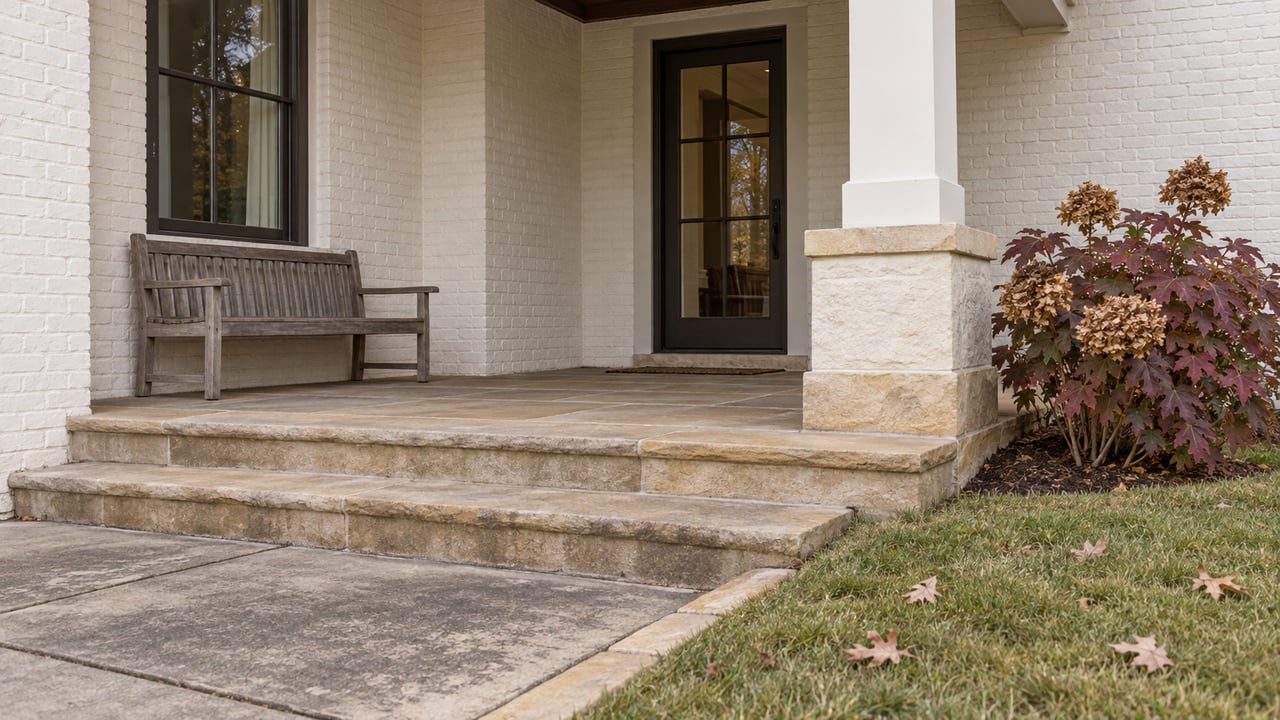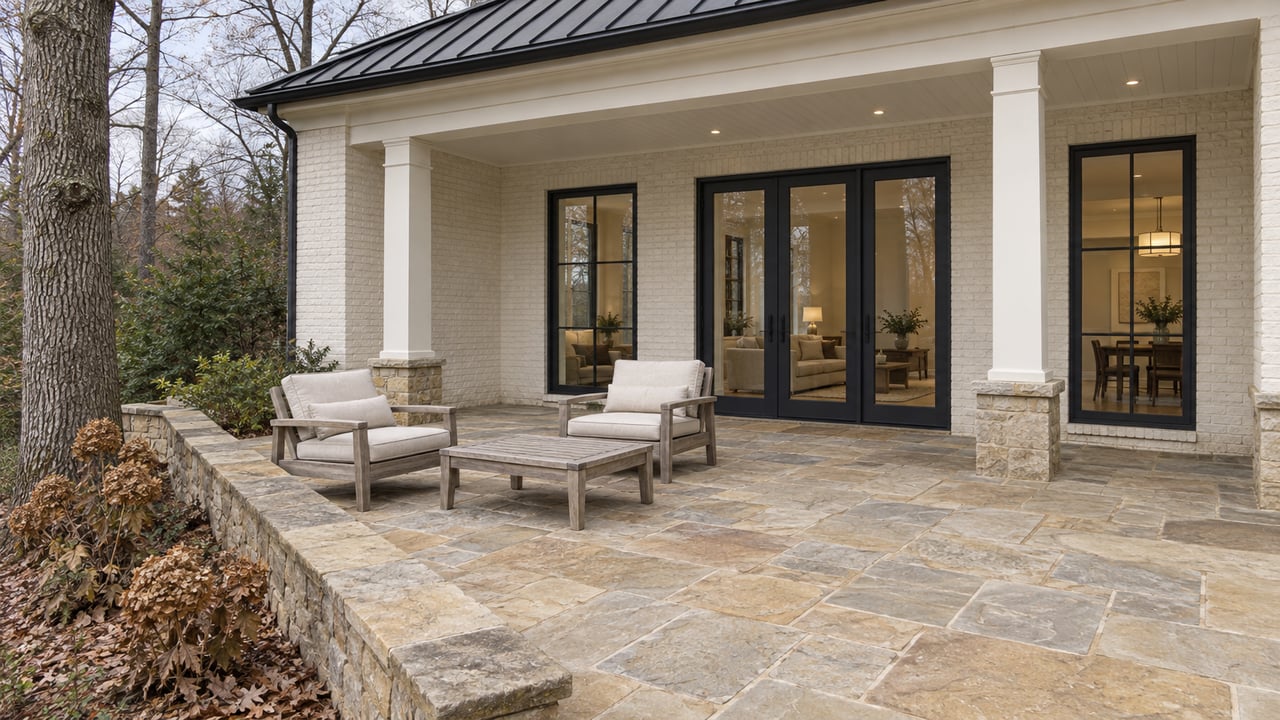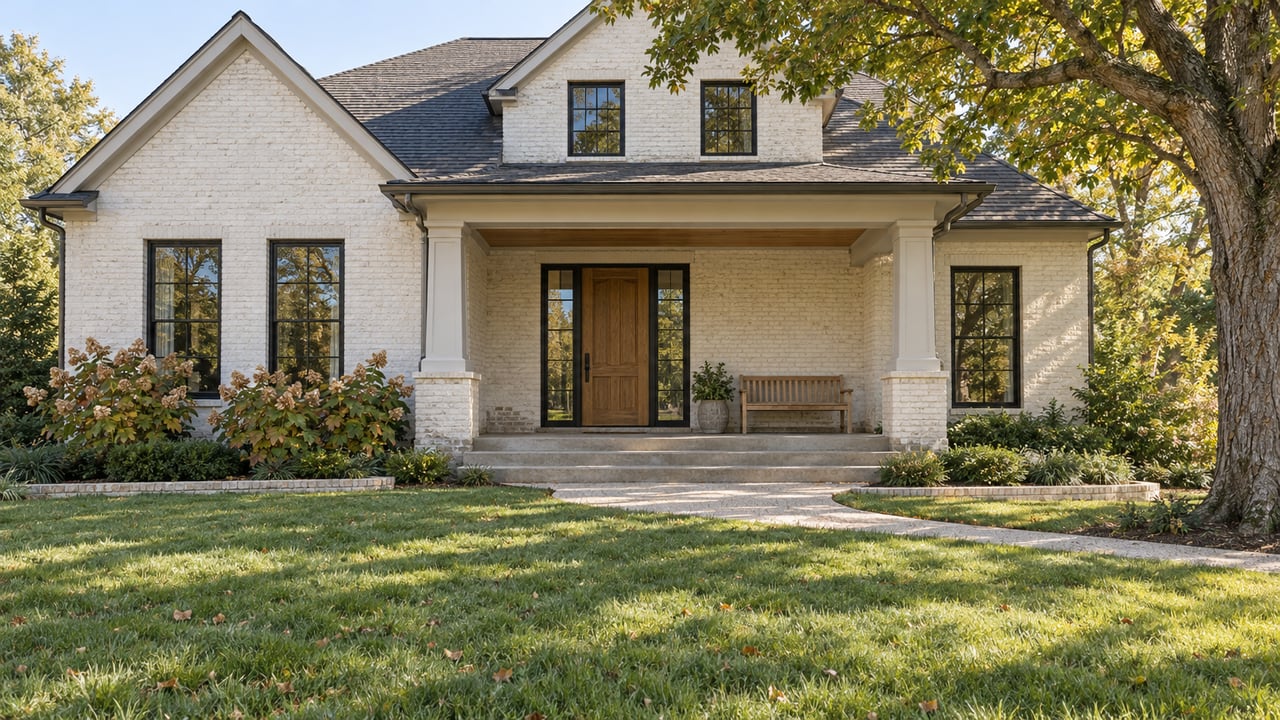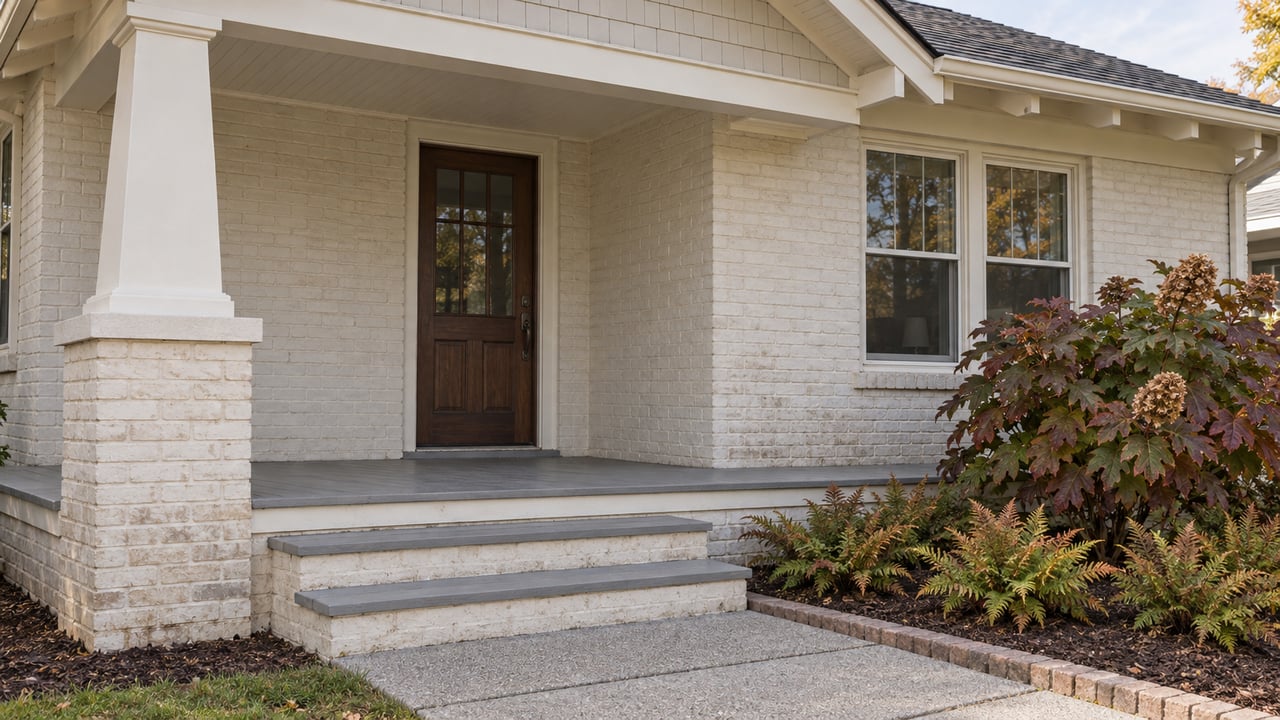
The new grocery store at 1201 16th St N sits a few doors from 1205 16th St N, the main site of the cooperative whose CSA produce it will carry. This Saturday, November 7, Fountain Heights Farms Cooperative opens We All Eat Market on the ground floor of its new Heart of the Farm Market and Community Kitchen. Bham Now reports that it is the neighborhood's first new grocery store in 70 years.
The store comes out of a cooperative that started in one backyard and grew into neighborhood plots, then a produce subscription, and now a building. That history shapes what goes on the shelves and explains why the building also has a commercial kitchen.
Ten years from backyard to building
The cooperative's steps run in order, and each one set up the next.
- 2016: M. Dominique Villanueva and Christopher Gooden founded Fountain Heights Farms Cooperative with a single backyard urban farm.
- The CSA years: The farm sold seasonal shares through We All Eat, a community supported agriculture service. Members paid ahead and got a weekly produce box. The cooperative says the CSA accepted EBT and Double Up Bucks.
- October 2024: ABC 33/40 reported on a City of Birmingham agreement covering water access for 10 farm lots plus the market and kitchen. Bham Now puts the city's support at $150,000, approved unanimously by the Birmingham City Council.
- July 9, 2025: The cooperative broke ground on Heart of the Farm, according to the City of Birmingham's account. That summer, Bham Now expected the market to launch in 2025.
- November 7, 2026: Ribbon cutting and opening day.
By Bham Now's October count, that single backyard has grown to 16 neighborhood farm plots. The cooperative has set a goal of 119 plots by 2030. The building at 1201 16th St N was designed to serve more than 3,000 people in and around Fountain Heights.
What a farm-built grocery actually stocks
Because the store grew out of a CSA, its shelves look more like a produce box with a pantry added than a supermarket. On its own website, We All Eat Market lists three categories:
| Section | What the market lists |
|---|---|
| Produce | Seasonal fruits, vegetables and herbs |
| Pantry & Kitchen | Honey, preserves, sauces, dry goods and seasonings |
| Local Goods | Products from local farmers, makers and food businesses |
The word that matters for a November trip is "seasonal." The store describes itself as "one-stop shop for fresh, locally grown food" and as "the same locally grown goodness you know and love, now ready when you are." In other words, it sells what the CSA used to deliver, on your own schedule. So what's in the produce bins depends on the farm's calendar more than a national distributor's. A first visit makes the most sense if you go in expecting fall produce and local pantry goods, not a full grocery list.
The website does not post item prices. It also doesn't say which payment methods the store takes, so anyone who used EBT or Double Up Bucks with the old CSA should ask at the counter.
Opening day, in order
The cooperative's event listing runs the grand opening from 11 a.m. to 2 p.m. on Saturday, November 7.
- 11 a.m. ribbon-cutting ceremony
- A shopping challenge
- An herbal tea bar
- A cooking demonstration, plus other activities through 2 p.m.
Villanueva told Bham Now what the day means to the cooperative:
"November 7 is a day Fountain Heights has been waiting on for a long time. We're not just opening a store. We're bringing back something this neighborhood lost generations ago, and we're doing it on our own terms with our own people. Bring your family, bring your neighbors and come celebrate with us!"
The hours are still settling
The market's website currently shows two schedules. A banner at the top says the store opens November 7 and will run Tuesday through Saturday from 7:30 a.m. to 7 p.m., and Sunday from 10 a.m. to 7 p.m. A separate hours section on the same site lists Tuesday through Saturday from noon to 7 p.m., Sunday from noon to 5 p.m., and closed Mondays. Neither version lists Monday hours, and both run until 7 p.m. Tuesday through Saturday. If you're planning a Tuesday breakfast run or a Sunday afternoon stop, check the market's site first, since mornings and Sunday closing time are where the two schedules differ.
The kitchen is the other half of the building
Heart of the Farm combines a market and a community kitchen, and the kitchen is what makes the "Local Goods" shelf possible. The cooperative says the kitchen has hosted its food-education classes. It is meant to give local food entrepreneurs commercial prep and production space. Bham Now describes that access as affordable. When the city agreement was reported in 2024, the project's goal was kitchen access for 60 food-based microbusinesses in its first operating year.
This connects back to the store. A sauce or preserve made in the kitchen downstairs can be sold on the shelf upstairs. Over time, the pantry section depends on how many local makers use that kitchen, just as the produce section depends on the farm's plots. The cooperative's Heart of the Farm page is the place to watch for how kitchen access opens to outside businesses.
Delivery takes the winter off
We All Eat Delivery is the new name for the CSA. The market's site says weekly home delivery "returns in the spring, with even more ways to customize your weekly order." For former subscribers, that leaves one option this winter: the store itself. Opening the counter in November keeps the cooperative's produce available during the months the delivery route is paused.
Where else the cooperative shows up
The store is the newest part of the cooperative, and the farm sites around it are still in use. Its named locations include the Wash & Pack Barn at 1312 13th St N and the Community Orchard at 505 15th Ave N. The cooperative also runs a farm stand for people who need extra support. It says no application, questions or proof of need are required.
Its events calendar has hosted volunteer seeding days at the Wash & Pack Barn and a skill-share series called Mondays for the Culture. It's the place to check for the next volunteer date once the store opens. Each new plot toward the 119-plot goal adds to what the store has to sell.
Laurne Rhodes follows openings like this across Greater Birmingham because, for her clients, a new grocery, kitchen or orchard is part of how they get to know a street. If you're looking at homes in Jefferson County and want to know what's opening, or about to, near the blocks you're considering, Laurne Rhodes can walk you through it. Let's Connect.